Imagine (in a pre-covid world) that you live in the hip, Silverlake neighborhood of Los Angeles. It’s a sunny Saturday morning, and you’re headed to mimosa brunch with your friends. You order a specialty coffee and a beautiful Avocado Toast, topped with an organic egg, sea salt and extra virgin olive oil. As you munch on your toast, you hope the avocado on your plate is locally sourced.
It’s not.
In reality, it was imported from Mexico.
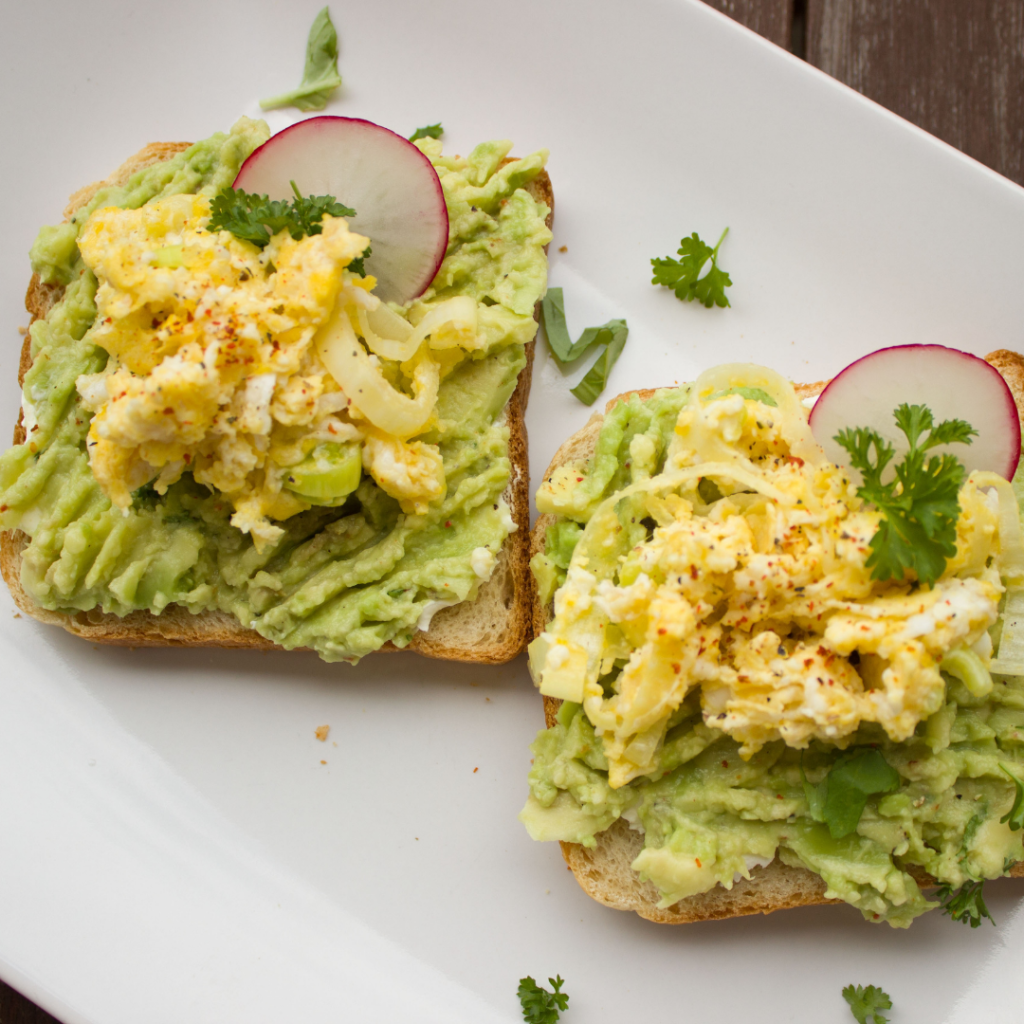
Now, transport yourself to a mountain town of southern Jalisco, a coastal state in Mexico. You’re a rural farmer working on an illegal avocado farm, one that replaced the forest that surrounded your town. You once ran your own milpa farm, but realized that you’d earn more money working with avocado, since it’s a specialty crop. But you don’t get to enjoy the fruits of your harvest. It’s headed north for the American consumer’s insatiable demand for avocados. Just like the one being served in those fancy brunch spots.

After a long day of work under the scorching Mexican sun, you head to the closest tiendita (corner store) for a refreshing Coca-Cola. Turns out, it’s cheaper than water. The thing is, local authorities decided to direct all the water meant for your community to the prosperous avocado farm. You’re gaining weight and the local doctor tells you that you’re at risk for diabetes. You wish you had more time to cook more and to exercise. “Haz Deporte,” like Coca-Cola says. But while you might not know it, there are bigger forces at play. Economic, political forces.

The intersection of these food stories on both sides of the border is explored in a book I recently read called Eating NAFTA: Trade, Food Policies, And the Destruction of Mexico. This book addressed NAFTA’s impact on Mexico’s agricultural industry, food habits, health, and more. Cultural anthropologist and author Alyshia Gálvez argues that NAFTA has fundamentally shattered Mexico’s food practices and culture for the worse.
This book challenges us, like the hip Angeleno at brunch, to think about how our everyday actions impact the lives of the farmers and producers that make our food.
As a refresher, NAFTA is short for North American Free Trade Agreement (and known as Tratado de Libre Comercio de América del Norte, TLCAN in Mexico). NAFTA came about from the 1994 treaty between the US, Mexico, and Canada that eliminated or reduced barriers to trade and investment between these North American countries. Before I read the book, all I really knew about NAFTA was the creation of maquiladoras and the rise of the Zapatistas in Chiapas decrying neoliberalism. I remember NAFTA as something that was discussed in a positive light in my International Relations classes. Positive for who?
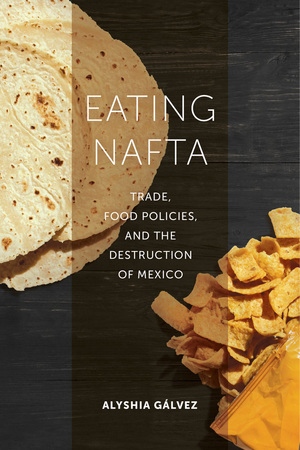
As the subtitle suggests, Gálvez argues that NAFTA has been catastrophic for Mexico.
A few highlights from the book that stuck out to me:
- Mexican food is in vogue. Could this be hurting local access to traditional foods? Gálvez highlights the irony, and potential correlation, of the fact that while rural Mexicans have less and less access to their traditional foods, these same foods (think mole, tortillas, tacos) are more popular than ever thanks to celebrity chefs.
- Mexican consumers have limited access to fresh food. NAFTA changed what’s available in Mexico’s local tienditas. Fresh fruits, tortillas, and beans have been replaced with Coca-Cola, chips, and cookies. It simply became too expensive to stock healthier produce in local stores because most produce has been designated for exportation.At the same time, NAFTA has allowed processed American foods to flood the Mexican market, replacing fresh food with packaged cookies and oversized sodas.
- NAFTA caused a wave of migration north towards the US. Unlike most free trade agreements (think the European Union), NAFTA does not allow for the free movement of people. At the same time, NAFTA destabilized Mexico’s agriculture industry, displacing many rural farmers. Many of these farmers ended up in the United States to fulfill the demand of ag jobs. This caused a wave of illegal immigration, since seasonal farm workers with no intention to stay in the US could no longer leave.
- Migration caused by NAFTA is intrinsically linked to health problems among immigrants. In the words of Father Gustavo, the so-called padre de los migrantes, “diabetes is the disease of the migrant…not just because migrants change the way they eat, but because it is the somatization of pain, trauma, and depression.”
- Mexico, once the kind of corn, is importing and harvesting GMO corn. Another major theme of the book is the impact of GMOs on Mexican corn and its farmers. NAFTA brought an influx of industrial farming to a country built on sustenance farming. Corn, which traces its origins in Mesoamerica, is incredibly important in Mexican culture. But with NAFTA, corn cultivation was deemed “inefficient,” so its production was severely limited. Under pressure to modernize, Mexican farmers are starting to grow genetically modified corn imported from the United States and sometimes as far away as Africa. They have to invest so much capital in maintenance and care for these new seeds (think machinery, pesticides, herbicides), that they hardly, if ever, make a profit. This is a practice that I heard about directly from farmers when I attended a tortilla-making class in Guadalajara (more on that here). Both the book and my conversations with farmers enlightened me to how a farmer’s connection to the land and their ability to make a livelihood is undermined by profit-driven political treaties like NAFTA.
Eating NAFTA isn’t just about Mexico or agriculture or even NAFTA. It’s about our collective desire as consumers to know what is going into our food and our bodies. It’s a reflection on our increasing rejection of industrial food products. It’s a proposal to make more conscientious decisions about the food we consume and the people we impact through these choices. Most of all, it’s a rallying cry to take better care of our health, communities, and planet.
Now when I look at a piece of fruit or think about my cup of morning coffee, I have more tools to understand how my food reached me. I have new eyes to see how economics, health, politics all weave together in our global food systems.

 Melissa Montalvo
Leave a comment